
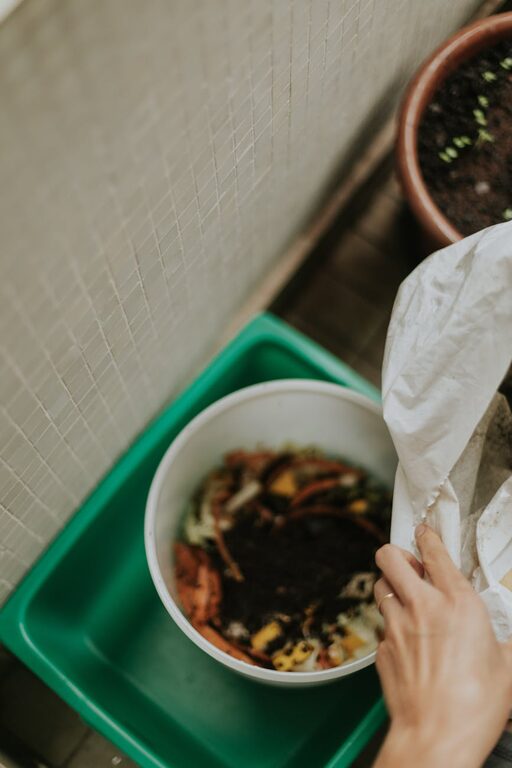
Composting at home is a rewarding way to reduce kitchen and garden waste while nourishing your plants naturally. If you’re new to composting, the process might seem a bit overwhelming at first. However, with the right tips and a little practice, you can turn scraps into black gold that boosts your garden’s health. This article will guide you through essential beginner tips to get started with composting at home.
Understanding the Basics of Composting
Before diving in, it’s helpful to understand what composting is. Composting is the natural breakdown of organic material, like food scraps and garden waste, into nutrient-rich soil. Microorganisms, worms, and insects work together to decompose this material, resulting in compost that improves soil quality, helps retain moisture, and reduces the need for chemical fertilizers.
Choosing the Right Composting Method
There are several ways to compost at home, depending on your space, lifestyle, and preferences.
1. Backyard Composting
If you have a garden or yard, a simple compost bin or pile can work very well. You’ll need:
– A compost bin or designated area
– Basic tools like a garden fork or shovel
2. Indoor Composting
For apartment dwellers or those with limited outdoor space, indoor composting options include:
– Worm bins (vermicomposting)
– Bokashi bins (fermentation process)
3. Community Composting
If you don’t have the space or resources for composting at home, many communities offer compost drop-off points or programs.
Essential Composting Tips for Beginners
1. Balance Green and Brown Materials
Composting works best when you balance “green” and “brown” materials:
– Green materials: Fruit and vegetable scraps, coffee grounds, grass clippings – rich in nitrogen.
– Brown materials: Dry leaves, straw, cardboard, paper – rich in carbon.
Aim for roughly 2-3 parts brown materials to 1 part green materials. This balance promotes efficient decomposition and reduces odors.
2. Chop or Shred Materials
Smaller pieces break down faster. Chop vegetable scraps, shred leaves, and tear paper into smaller pieces before adding them to your pile or bin.
3. Keep It Moist but Not Wet
Compost should be about as damp as a wrung-out sponge. If it’s too dry, decomposition slows down. If it’s too wet, the pile can become smelly and anaerobic.
4. Turn or Aerate Frequently
Oxygen helps microbes break down materials quickly. Turning your compost pile or stirring the contents weekly prevents bad odors and speeds up composting.
5. Avoid Adding Problematic Items
Stay away from meat, dairy, oily foods, and pet waste, which can attract pests and cause unpleasant smells. Also, avoid diseased plants and invasive weeds.
6. Use Compost Activators (Optional)
Certain organic materials like finished compost, manure, or commercial compost activators can jumpstart microbial activity if your pile is slow to start.
How to Set Up Your First Compost Bin
Step 1: Select Your Composting Area
Choose a shady, well-drained spot outdoors or a suitable container indoors that allows for airflow.
Step 2: Start Layering Materials
Begin with a layer of coarse brown materials like straw or dry leaves for good air circulation at the bottom. Alternate layers of green and brown materials, mixing them gently.
Step 3: Monitor and Maintain
Check moisture regularly and mix materials weekly. Add water if dry or add more brown materials if too wet.
Step 4: Know When Compost Is Ready
Finished compost looks dark, crumbly, and smells earthy. Depending on conditions, compost can take anywhere from a few months to a year.
Troubleshooting Common Composting Problems
– Foul odors: Usually due to too much green material or lack of oxygen. Add more brown materials and turn the pile.
– Pile not heating up: Could be from insufficient nitrogen or moisture. Add green materials and water if dry.
– Pests: Avoid meat and oily foods. Consider a closed bin if pests are a problem.
– Compost too dry or too wet: Adjust watering or add more dry material to balance moisture.
Benefits of Composting at Home
Starting a home composting routine not only reduces landfill waste but also:
– Cuts down on your garbage collection needs
– Enriches your garden soil naturally
– Saves money on fertilizers and soil conditioners
– Encourages a sustainable lifestyle and connection to nature
Final Thoughts
Composting at home is a practical and eco-friendly way to manage waste and improve your garden’s health. By starting simple, maintaining balance, and learning from experience, anyone can successfully compost. Remember, patience is key — composting is a natural process that takes time but rewards you with nourishing soil and a cleaner environment.
Why not start today? Gather your kitchen scraps and give your garden a boost with homemade compost!