
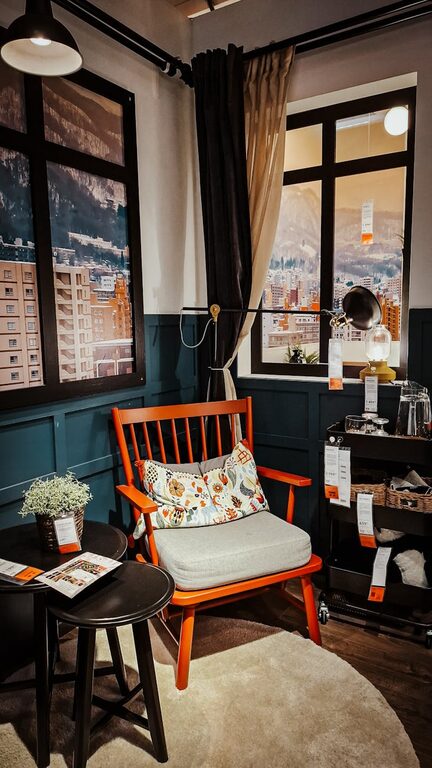
Creating a warm and inviting atmosphere in your home often starts with the right lighting. Comfortable home lighting not only illuminates your space but also affects your mood, productivity, and overall well-being. Choosing the perfect lighting can seem overwhelming with so many options available, but with some guidance, you can select fixtures and bulbs that enhance your comfort and style. In this post, we will explore practical tips to help you choose comfortable home lighting for every room.
Why Comfortable Lighting Matters
Good lighting impacts more than just visibility. It influences how you feel in your space. Harsh, overly bright lights can cause eye strain and discomfort, while overly dim lights might make your environment dull and less functional. Comfortable lighting balances brightness, warmth, and functionality, creating a cozy, inviting environment tailored to your needs.
Understand the Types of Lighting
Before choosing fixtures, it’s helpful to understand the three main types of lighting all homes need:
– Ambient Lighting: General lighting that illuminates the entire room.
– Task Lighting: Focused lighting designed to help you carry out activities like reading or cooking.
– Accent Lighting: Decorative lighting that highlights features like artwork or architectural details.
Striking the right balance between these types creates layered lighting that is both functional and comfortable.
Tips for Choosing Comfortable Home Lighting
1. Consider the Room’s Purpose
Each room requires different lighting based on its use:
– Living Room: Soft ambient lighting combined with task lighting (like reading lamps) works well.
– Kitchen: Bright task lighting on countertops and ambient lighting overall helps with functionality.
– Bedroom: Warm, dimmable lights promote relaxation and rest.
– Bathroom: Clear, bright lighting near mirrors for grooming, paired with softer ambient lighting.
Matching lighting to activity ensures your space feels comfortable while serving its purpose.
2. Pay Attention to Color Temperature
Light color temperature, measured in Kelvin (K), greatly affects comfort:
– Warm Light (2700K–3000K): Creates a cozy, relaxing atmosphere suitable for bedrooms and living rooms.
– Neutral Light (3500K–4100K): Balanced and versatile, great for kitchens and bathrooms.
– Cool Light (5000K–6500K): Bright and energizing, usually preferred for workspaces.
Choose bulbs with color temperatures that suit the mood and function of each room.
3. Use Dimmer Switches for Flexibility
Installing dimmer switches allows you to adjust lighting intensity according to the time of day and activity. Dimmers make spaces more adaptable, enabling bright light for tasks and softer light for relaxation.
4. Opt for Energy-Efficient Bulbs
Modern LED bulbs provide excellent energy efficiency, longer lifespan, and come in a variety of color temperatures. They are an environmentally friendly and cost-effective choice that can also be dimmed and customized.
5. Pay Attention to Placement and Fixture Size
– Avoid direct glare by placing lights thoughtfully—use lampshades or frosted bulbs.
– Scale fixtures to room size; a large fixture may overwhelm a small room, while a tiny fixture may not provide enough light.
– Use multiple light sources in layers rather than relying on a single overhead light for comfort and depth.
6. Incorporate Natural Light
Maximize daylight by keeping windows unobstructed when possible. Natural light enhances comfort and reduces the need for artificial lighting during the day. Use light, airy curtains to maintain privacy without blocking sunlight.
7. Choose Fixtures With Adjustable Features
Lamps and fixtures with movable arms, adjustable heads, or rotating bases allow you to direct light where needed. These features enhance task lighting and increase comfort.
8. Experiment With Lighting Styles and Designs
Lighting should blend with your home’s decor but also function well. Consider styles that add personality without sacrificing quality. Sometimes a statement pendant or an artistic lamp can become both a lighting source and a design element.
Conclusion
Comfortable home lighting creates the perfect ambiance, enhances your mood, and supports your daily activities. By considering each room’s purpose, choosing the right color temperature, using energy-efficient bulbs, and layering your lighting, you can create a welcoming and functional atmosphere throughout your home. Remember to incorporate flexibility with dimmers and adjustable fixtures, and embrace natural light whenever possible. With these tips, selecting comfortable home lighting becomes an enjoyable part of making your house a true home.