
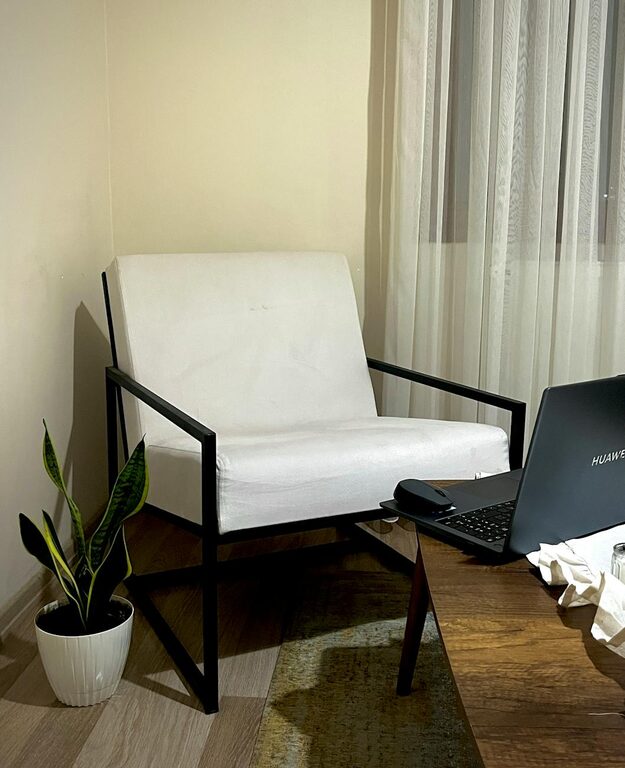
Creating a peaceful home environment is something many strive for, especially in today’s bustling world. Whether you live in a busy city, a noisy neighborhood, or simply want to enjoy more quiet moments, reducing noise at home can greatly improve your comfort and well-being. Fortunately, there are several simple and practical ways to minimize unwanted sound without needing expensive renovations or professional help.
In this post, we’ll explore effective techniques to reduce noise in various parts of your home, helping you create a calmer and more serene living space.
Understanding Common Sources of Noise
Before diving into the solutions, it helps to identify the common sources of noise in most homes. These can include:
– Traffic and street noise
– Loud neighbors or communal areas
– Household appliances (washing machines, HVAC systems)
– Footsteps or voices from other rooms or floors
– Outdoor activities and pets
Knowing what causes the noise you want to reduce will guide you in choosing the best methods to address it.
Easy Ways to Reduce Noise Inside Your Home
1. Add Soft Furnishings
Soft materials absorb sound waves, reducing echo and muffling noises. Consider adding:
– Thick curtains or drapes on windows
– Rugs and carpets on floors, especially on hard surfaces
– Cushions and upholstered furniture
– Fabric wall hangings or tapestries
These elements help trap sound and prevent it from bouncing around, making rooms feel quieter.
2. Use Door Seals and Draft Stoppers
Noise often sneaks in through gaps under doors and around frames. You can block these gaps by:
– Installing weatherstripping or adhesive foam tape around door frames
– Placing draft stoppers (door snakes) at the base of doors
– Choosing solid core doors instead of hollow ones for better sound resistance
Sealing doors and windows is a low-cost step that can significantly reduce noise infiltration.
3. Rearrange Furniture Strategically
Placing large pieces of furniture against shared walls can help block noise. For example:
– Move bookshelves or wardrobes to walls adjoining noisy neighbors or hallways
– Position sofas and chairs away from windows facing busy streets
– Use room dividers or screens to create sound buffers in open spaces
Furniture acts as an extra layer to absorb and block sound waves.
Tackling Noise from Outside
4. Install Double-Glazed Windows
Windows are often the weakest barrier to outside noise. If you’re able, double-glazed or laminated windows provide a much better sound barrier than single-pane glass. If replacing windows isn’t an option, you can also:
– Use heavy, lined curtains over windows
– Add window inserts or acoustic panels temporarily
Reducing external noise lets you enjoy quieter indoor spaces even in noisy areas.
5. Create a Green Buffer
Plants and trees outside your home can help absorb and deflect noise. Consider:
– Planting dense shrubs or hedges near windows and fences
– Adding container plants on balconies and patios
– Growing climbing vines on walls or trellises
Greenery not only beautifies your space but also contributes to noise reduction naturally.
Reducing Noise Between Rooms
6. Soundproof Walls with Affordable Materials
While professional soundproofing can be costly, some budget-friendly options help reduce noise traveling between rooms:
– Attach acoustic panels or foam tiles to walls
– Use bookshelves filled with books as sound absorbers
– Hang heavy blankets or quilts on walls for temporary soundproofing
These measures work well to muffle voices or sounds within your home.
7. Use White Noise Machines or Fans
Sometimes, eliminating noise completely is challenging. In such cases, masking unwanted sounds can be very effective. White noise machines or simple fans produce consistent ambient sounds that help drown out distracting noises, making your environment feel quieter.
Maintenance and Habits for a Quieter Home
8. Maintain Your Appliances
Noisy appliances like HVAC systems or washing machines can disrupt peace. Regular maintenance such as cleaning filters, lubricating moving parts, and ensuring proper installation can reduce operational noise.
9. Set Quiet Hours
Create a noise-friendly environment by establishing certain quiet hours in your home. Limiting loud activities like vacuuming or playing music during early mornings or late evenings respects the comfort of all household members.
Final Thoughts
Reducing noise at home doesn’t need to be complicated or expensive. With simple changes like adding soft furnishings, sealing doors and windows, using plants, and mindful habits, you can transform your living space into a calmer retreat from the world’s hustle and bustle.
Start with a few of these ideas today and enjoy a more peaceful, comfortable home tomorrow.