
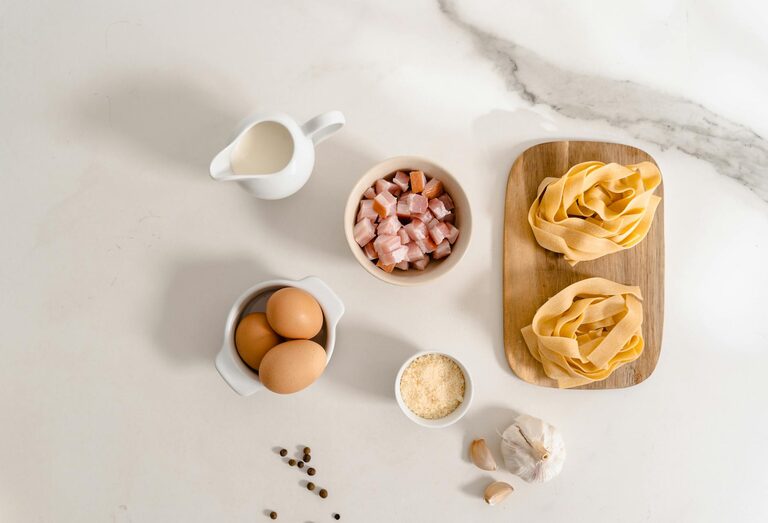
Planning meals using pantry staples is a smart way to save money, reduce food waste, and simplify your cooking routine. Whether you’re facing a busy week or trying to avoid last-minute grocery trips, knowing how to make the most of what’s already in your pantry can be a game-changer.
In this post, we’ll explore how to organize your pantry, identify versatile staples, and come up with easy, delicious meals using items you likely already have.
Why Use Pantry Staples for Meal Planning?
Pantry staples are non-perishable or long-lasting food items that can serve as the foundation for a variety of meals. By planning meals around these ingredients, you can:
– Reduce food waste by using what you have
– Save money by minimizing extra grocery trips
– Quickly prepare meals even when you’re short on time
– Experiment with different flavors and cuisines
Step 1: Organize Your Pantry
Before you start meal planning, take some time to organize your pantry. This makes it easier to see what you have and plan accordingly.
Tips for Pantry Organization
– Group similar items together: Keep grains, canned goods, baking supplies, and spices in separate sections.
– Label and date items: This helps track expiration dates and prioritize older items for use.
– Use clear containers: Store dry ingredients like rice, pasta, or beans in see-through jars or bins.
– Keep an inventory list: Maintain a simple list of frequently stocked items so you know when to restock.
Step 2: Identify Versatile Pantry Staples
Some ingredients are more flexible and useful in a variety of dishes. Common pantry staples include:
– Grains: Rice, pasta, quinoa, couscous, oats
– Canned goods: Beans, tomatoes, coconut milk, tuna, broth
– Baking essentials: Flour, sugar, baking powder, baking soda
– Condiments and oils: Olive oil, vinegar, soy sauce, mustard, honey
– Spices and herbs: Salt, pepper, garlic powder, chili flakes, cumin, dried oregano
Knowing these staples allows you to mix and match ingredients to create balanced meals.
Step 3: Plan Balanced Meals Around Staples
A well-rounded meal usually includes carbohydrates, protein, vegetables, and healthy fats. Pantry staples can cover many of these components if paired wisely.
Example Meal Ideas
– Bean and rice bowls: Combine canned beans with cooked rice, sautéed vegetables, and your favorite spices.
– Pasta with tomato sauce: Use canned tomatoes to make a simple sauce with garlic and herbs, tossed with pasta.
– Tuna salad: Mix canned tuna with olive oil, vinegar, mustard, and chopped veggies for a quick protein-packed dish.
– Stir-fry: Use oil and soy sauce to stir-fry frozen or fresh vegetables with rice or noodles.
– Chickpea curry: Cook canned chickpeas with coconut milk, curry powder, and canned tomatoes for an easy curry.
Step 4: Incorporate Fresh or Frozen Ingredients
While pantry staples form a great base, adding fresh or frozen vegetables and proteins can boost nutrition and flavor. Keep some frozen veggies, eggs, or fresh produce handy and incorporate them as needed.
Step 5: Use Recipes and Meal Plans as Guides
Look for simple recipes that focus on pantry staples or use meal planning tools to organize your week. This can reduce the stress of figuring out what’s for dinner.
Tips for Using Recipes
– Search for “pantry meals” or “one-pot recipes” online.
– Modify recipes by substituting ingredients based on what you have.
– Batch cook meals like soups or casseroles to last several days.
Step 6: Stock Up Thoughtfully
When shopping, focus on replenishing and expanding your pantry staples with versatile items. This helps keep your options open and makes meal planning easier.
Suggested Items to Add
– Variety of dried beans and lentils
– Whole grains like barley or bulgur
– Shelf-stable sauces like marinara or curry paste
– Nuts and seeds for snacks and recipes
– Spices to add depth and variety
Final Thoughts
Meal planning from pantry staples is a practical skill that benefits your budget, time, and health. By organizing your pantry, knowing your key ingredients, and combining them in creative ways, you can enjoy homemade meals with ease.
Start small — try planning one or two meals this week using pantry items — and build your confidence from there. Soon enough, cooking from your pantry will feel natural, tasty, and rewarding!