
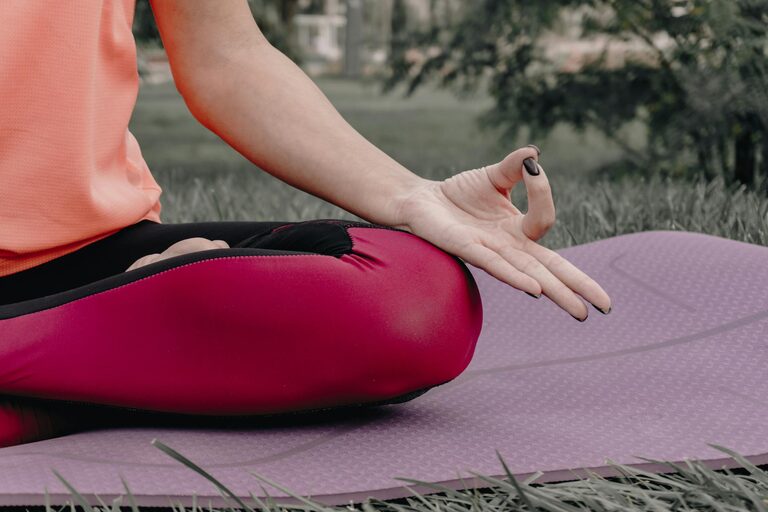
Taking mindful breathing breaks is a simple yet powerful way to reduce stress, improve focus, and enhance overall well-being. Whether you are working at a desk, managing a busy schedule, or simply looking for moments of calm, these short breathing exercises can help you reset and recharge. If you’re new to mindful breathing, this guide offers practical beginner tips to get started and incorporate mindful breathing breaks into your daily routine.
What is Mindful Breathing?
Mindful breathing is the practice of paying deliberate attention to your breath. It involves observing how you breathe—without trying to change it at first—and then gently guiding your breath to be slow and deep. This practice is rooted in mindfulness, which encourages staying present in the moment without judgment.
The benefits of mindful breathing include:
– Reducing feelings of anxiety and stress
– Lowering heart rate and blood pressure
– Improving concentration and mental clarity
– Enhancing emotional resilience
Why Take Breathing Breaks?
Modern life is often fast-paced and mentally demanding, which can lead to tension, distraction, and fatigue. Taking short mindful breathing breaks allows you to:
– Pause and disconnect from stressors temporarily
– Rebalance your nervous system
– Increase oxygen flow to the brain
– Recenter your focus before continuing tasks
Even just 1–5 minutes of mindful breathing can make a noticeable difference in how you feel and perform.
Beginner Tips for Mindful Breathing Breaks
1. Find a Comfortable Position
You don’t need to sit cross-legged on a cushion to practice mindful breathing. Simply sit upright in a chair with your feet flat on the floor, or stand or lie down if you prefer. The key is to keep your back straight enough to allow easy breathing.
2. Set a Timer or Reminder
Especially in the beginning, setting a timer or phone reminder can help you remember to take breathing breaks. Start with just 1–2 minutes per break and build up as you feel comfortable.
3. Focus on Natural Breath
Allow your breath to flow naturally at first without trying to control it. Notice the sensation of air entering your nostrils, filling your lungs, and leaving your body. Let your attention rest gently on this experience.
4. Try Deep Belly Breathing
Once you’re aware of your natural breath, try to deepen it by breathing into your belly rather than shallow breaths into your chest.
– Place one hand on your belly.
– Inhale slowly through your nose, feeling your belly rise.
– Exhale gently through your mouth, noticing your belly fall.
This helps activate the body’s relaxation response.
5. Use Counting to Anchor Your Mind
To maintain focus, count your breaths silently:
– Inhale on 1, exhale on 2.
– Continue counting to 5 and then start again.
If your mind wanders, gently bring it back to the breath and the counting.
6. Experiment with Different Rhythms
Find a breathing rhythm that feels calming to you. Common patterns include:
– 4-4: Inhale 4 seconds, exhale 4 seconds
– 4-7-8: Inhale 4 seconds, hold 7 seconds, exhale 8 seconds (only if comfortable)
Start slow and avoid straining.
7. Incorporate Gentle Body Scanning
Add a simple body scan to your break:
– After a few breaths, bring attention to your feet.
– Notice any tension and breathe into that area.
– Move gradually up your body—legs, hips, torso, arms, neck, and head.
This increases body awareness and relaxation.
8. Make It a Daily Habit
Consistency is key for mindful breathing to be effective. Try to take 2–3 breathing breaks during your workday or whenever you feel overwhelmed or distracted. Over time, it will become easier and more natural.
Creating a Mindful Breathing Routine
Here’s an easy example routine to start your day with mindful breathing:
- Sit comfortably and close your eyes.
- Take 3 natural breaths, noticing the inhale and exhale.
- Breathe deeply into your belly for 5 breaths.
- Count your breaths slowly from 1 to 5.
- Open your eyes and gently stretch.
You can customize the length and style based on your preferences.
Tips to Stay Motivated
– Link mindful breathing breaks to existing habits such as after brushing your teeth or before meals.
– Keep your practice simple and forgiving; there’s no perfect way.
– Use apps or online videos for guided breathing sessions if that helps.
– Share your experiences with friends or colleagues to encourage mutual support.
When to Avoid or Modify Breathing Practices
Most people can safely practice mindful breathing, but if you experience dizziness or discomfort, stop and return to normal breathing. Those with respiratory conditions should consult a healthcare provider before starting new breathing exercises. Always listen to your body and go at your own pace.
Final Thoughts
Mindful breathing breaks are a practical, accessible tool for enhancing your mental and physical well-being. Starting with small steps and gentle techniques can help you build a lasting habit that fits seamlessly into your daily life. Remember, it’s not about perfection but about creating moments of calm and presence amidst your busy day.
Try incorporating these beginner tips today and enjoy the simple power of mindful breathing!