
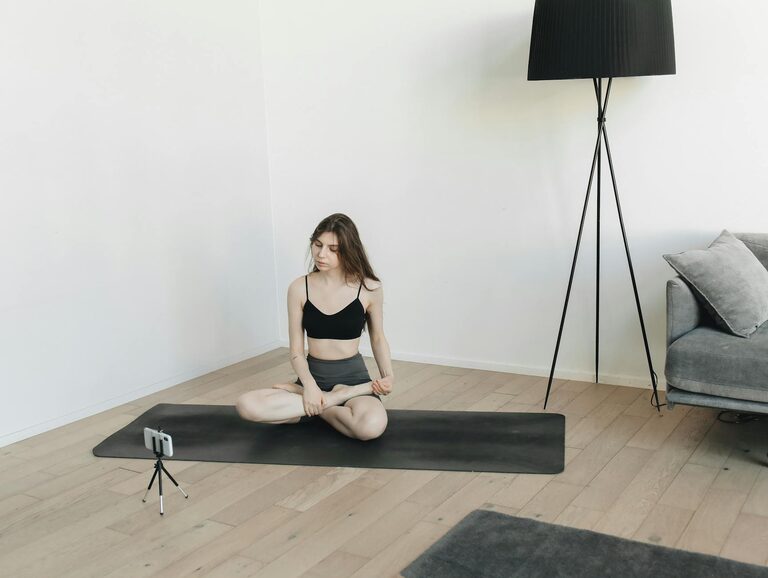
Stretching is a simple way to improve your flexibility, relieve muscle tension, and promote relaxation—all without needing special equipment or a gym membership. Whether you want to warm up before a workout, cool down after, or simply enjoy a few moments of mindful movement, stretching at home can be a great addition to your daily routine.
In this beginner’s guide, we’ll walk you through the basics of stretching, key stretches you can do at home, and tips to create a safe and effective practice.
Why Stretching Matters
Stretching offers many benefits, including:
– Improved flexibility and range of motion: Helps your joints move more freely.
– Reduced muscle stiffness and tension: Eases soreness and can prevent injury.
– Better posture: Lengthens tight muscles to support a healthy posture.
– Enhanced circulation: Increases blood flow to muscles.
– Mental relaxation: Encourages mindful breathing and reduces stress.
Even a few minutes of stretching daily can make a noticeable difference in how you feel.
Types of Stretching
Before getting started, it’s useful to understand the main types of stretching:
Static Stretching
This involves holding a stretch in one position for a period, typically 15–60 seconds. It’s best done after exercise or during a dedicated stretching session.
Dynamic Stretching
Dynamic stretches involve moving parts of your body through a full range of motion in a controlled way. They’re excellent for warming up before physical activity.
Active Stretching
Active stretches require you to hold a position using your muscle strength, without assistance.
Passive Stretching
You use an external force—like gravity or a partner’s help—to hold a stretch.
For beginners at home, static and dynamic stretching are the easiest to try.
Preparing for Your Stretching Routine
Creating the right environment and routine can help you get the most out of stretching.
Find a Comfortable Space
Choose a quiet, open area with enough room to stretch your arms and legs fully. A yoga mat or a soft rug can provide cushioning.
Dress Comfortably
Wear loose or stretchy clothes that allow free movement.
Warm Up Slightly
Stretching cold muscles can lead to injury. Try 3-5 minutes of light activity such as walking in place, marching, or gentle arm circles before stretching.
Breathe Deeply
Remember to breathe slowly and deeply throughout your stretches—this helps relax your muscles and improve oxygen flow.
Beginner-Friendly Stretches You Can Do at Home
Here are some effective and easy stretches anyone can try.
1. Neck Stretch
– Sit or stand tall.
– Gently tilt your head to one side, bringing your ear toward your shoulder.
– Hold for 20-30 seconds.
– Repeat on the other side.
This helps relieve tension in the neck and upper shoulders.
2. Shoulder Stretch
– Bring your right arm across your chest.
– Use your left hand to press your right arm closer.
– Hold for 20-30 seconds.
– Switch arms.
It loosens tight shoulder muscles.
3. Chest Opener
– Clasp your hands behind your back.
– Straighten your arms and gently lift your hands upward.
– Open your chest and hold for 20-30 seconds.
This stretch improves posture and counteracts hunching.
4. Seated Forward Bend
– Sit on the floor with legs extended straight.
– Slowly reach toward your toes, keeping your back straight.
– Hold for 20-30 seconds.
– Don’t force yourself—go as far as is comfortable.
This stretch targets the hamstrings and lower back.
5. Cat-Cow Stretch
– Get on your hands and knees.
– Arch your back up (cat), tucking your chin in.
– Then drop your belly down and lift your head (cow).
– Repeat slowly 5-8 times.
This improves spinal flexibility and eases back tension.
6. Hip Flexor Stretch
– Kneel on your right knee, left foot flat in front.
– Push your hips forward gently.
– Hold for 20-30 seconds.
– Switch legs.
Helpful for those who sit for long periods.
7. Calf Stretch
– Stand facing a wall.
– Place your hands on the wall at shoulder height.
– Step one foot back and press the heel into the floor.
– Hold for 20-30 seconds.
– Repeat on the other side.
It eases tight calves and improves ankle flexibility.
Tips for Safe and Effective Stretching
– Don’t bounce: Stretch slowly and steadily to avoid injury.
– Don’t push pain: Mild discomfort is okay, but sharp pain means stop.
– Stretch regularly: Consistency is key to gaining flexibility.
– Hold stretches long enough: Aim for at least 15-30 seconds per stretch.
– Incorporate breathing: Deep breaths help muscles relax.
– Listen to your body: Adjust stretches based on how you feel.
Creating Your Stretching Routine
- **Warm up:** 3-5 minutes of light movement.
- **Choose 5-7 stretches:** Cover major muscle groups (neck, shoulders, back, hips, legs).
- **Hold each stretch:** 20-30 seconds, repeating 1-2 times.
- **Finish with deep breathing:** Take a moment to breathe deeply and relax.
Try to stretch 3-5 times per week, or even daily if possible. You’ll notice improvements in flexibility, posture, and stress levels over time.
When to Stretch
– After waking up, to gently ease your body into the day.
– Before and after workouts.
– During breaks if you sit a lot.
– Before bed, to unwind and relax muscles.
Final Thoughts
Stretching at home is an accessible, low-cost way to improve your overall health and wellbeing. With a few minutes each day, you can increase your flexibility, reduce muscle tension, and feel more relaxed. Start slow, listen to your body, and enjoy the benefits of mindful stretching.
Give it a try today—you might be surprised at how much better you feel!